
Imagine being able to create a knowledge base with all the information you need for your job, and being able to query it in the most natural way possible, just as you would with a colleague.
Aevoluta makes this scenario a reality: Sophia, the smart knowledge manager, uses artificial intelligence to understand the context of your questions, provide you with accurate answers, and coordinate the activities of the other digital workers in your company.
What makes Sophia unique?
While traditional chatbots are limited by predefined and schematic responses, thanks to the adoption of the most innovative Transformer Language Model technologies, Sophia as a Knowledge manager offers a more sophisticated human-machine interaction experience. This is due to a deeper understanding of the context of questions and personalized, detailed and relevant responses.
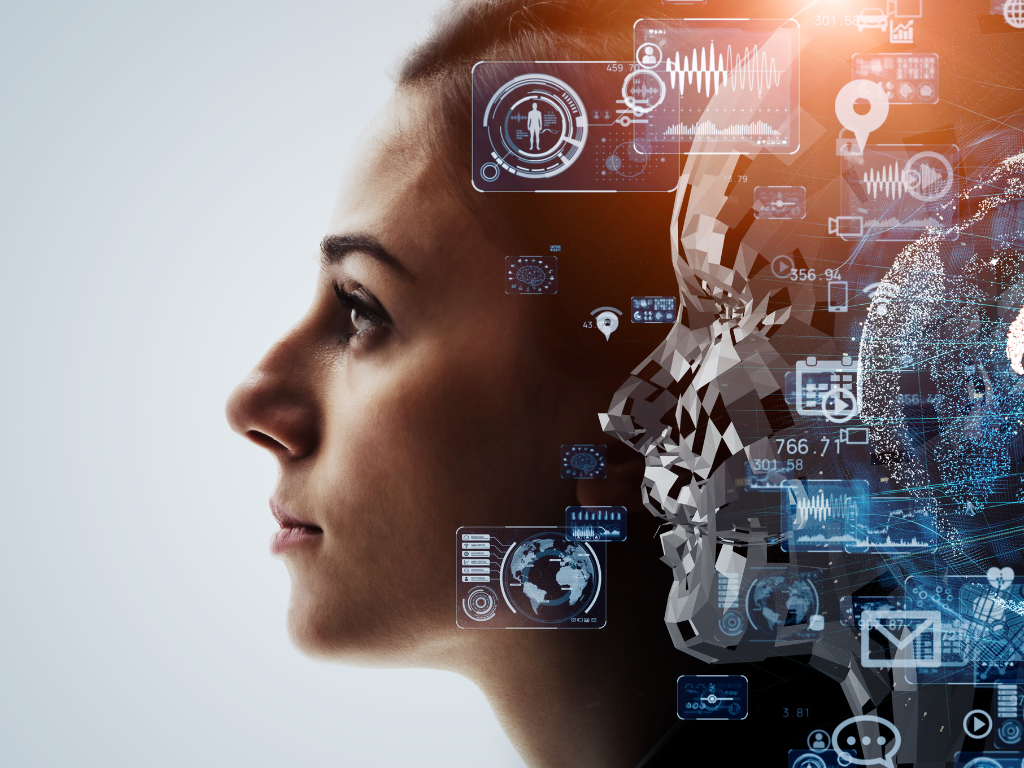

Moreover, Sophia allows you to quickly and flexibly create, update and extend your knowledge base starting from unstructured files of any format, and to coordinate the activities of other digital workers in your company. To enable Sophia to respond to inquiries regarding your products or services, all that is required is the execution of a straightforward document ingestion process, facilitated by our platform.
Why Sophia?
The SOPHIA project, co-financed by the European Union through the European Regional Development Fund (ERDF) and by the Emilia-Romagna Region under the PR-FESR 2021–2027 – Priority 1, Action 1.1.5 (Innovative Startups Call 2024), enabled the development and consolidation of an advanced technological platform for the intelligent automation of business processes, based on the structured integration of Artificial Intelligence models, Robotic Process Automation (RPA) systems and Low-Code Application Platform (LCAP) architectures.
Thanks to regional and European support, an advanced application core was developed and validated, including orchestration middleware for interoperability between AI modules and execution agents, as well as Natural Language Processing models capable of interpreting natural-language input and triggering automated workflows.
The project also made it possible to increase the solution's Technology Readiness Level (TRL), to structure a UX/UI framework geared towards explainability and the reduction of usage complexity, and to prepare the platform for subsequent industrial scalability and market validation, in line with the strategic objectives of the ERDF Regional Programme for innovation and digitalization.
